.svg)
.svg)
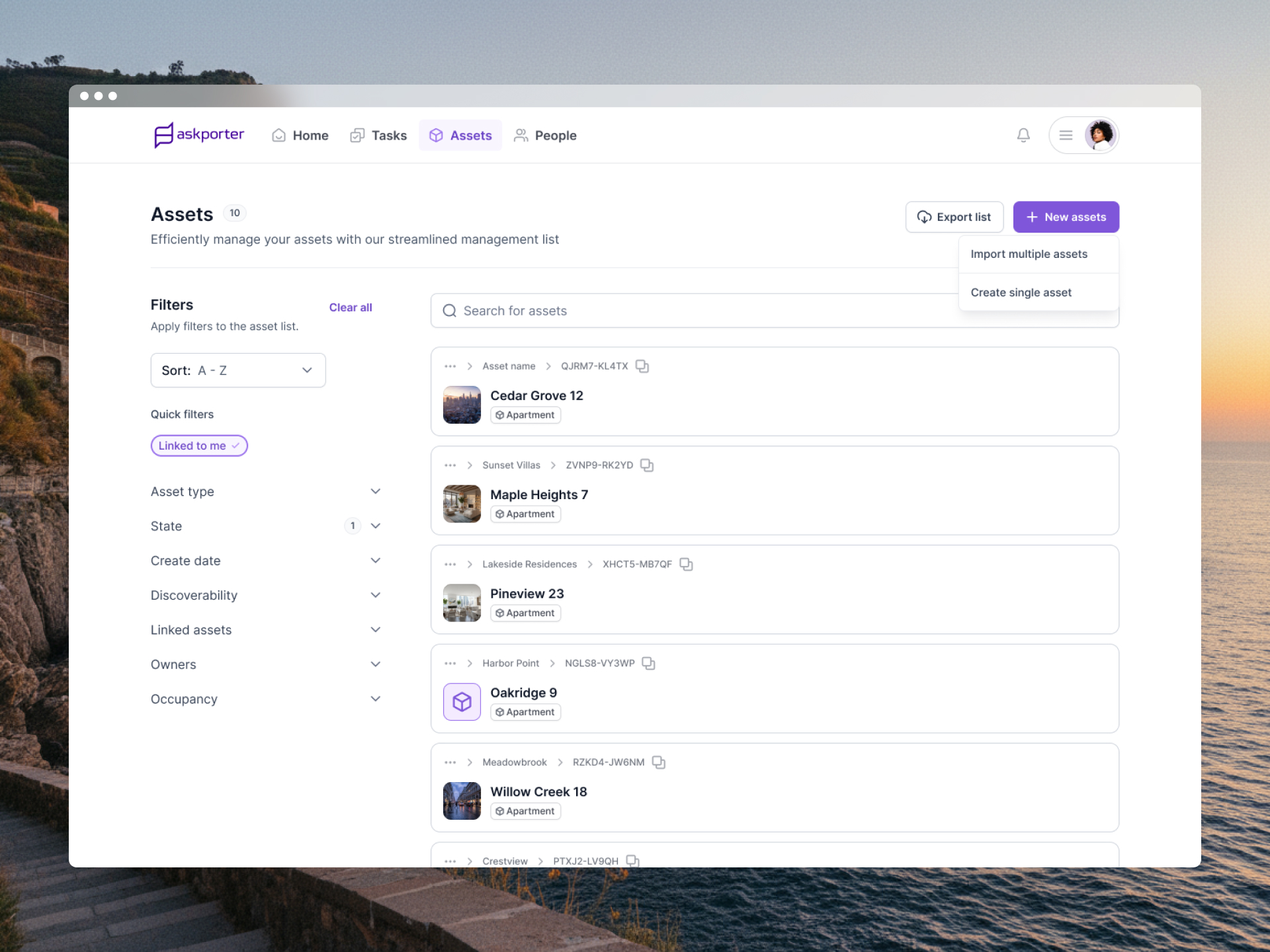
One thing I’ve learned working with operational platforms is that data is rarely clean.
Customers don’t arrive with perfectly structured spreadsheets. They arrive with years of inconsistent processes, missing information, duplicated records, and data that means different things to different teams.
The challenge wasn’t importing data.
The challenge was helping users successfully onboard large volumes of operational information without creating more work, more risk, or more confusion.
Without the right support, users were forced to manually create records, correct issues outside the platform, and repeat work whenever something failed.
Early in discovery, I realised we weren’t designing an upload tool.
We were designing a translation layer between how customers stored information and how the platform expected information to exist.
Every organisation structured data differently. Some fields were missing. Others used terminology that didn’t exist in the platform. Importing data successfully required more than simply uploading a spreadsheet.
Rather than forcing customers to adapt their data before importing, I focused on helping them progressively understand and resolve issues throughout the process.
Key goals included:
• Supporting large-scale imports
• Reducing manual data entry
• Preventing common import errors
• Helping users understand unfamiliar data structures
• Providing visibility throughout the process
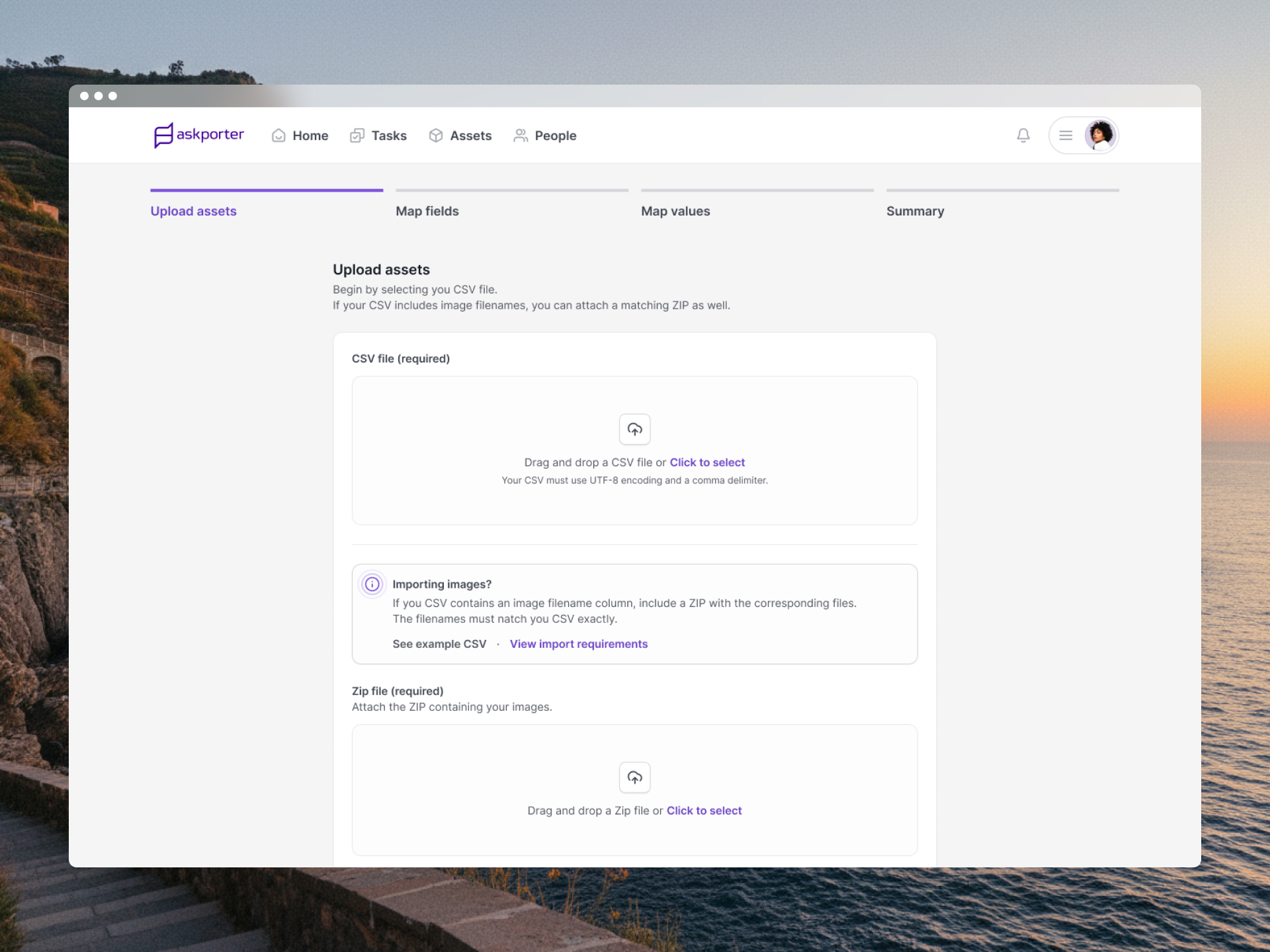
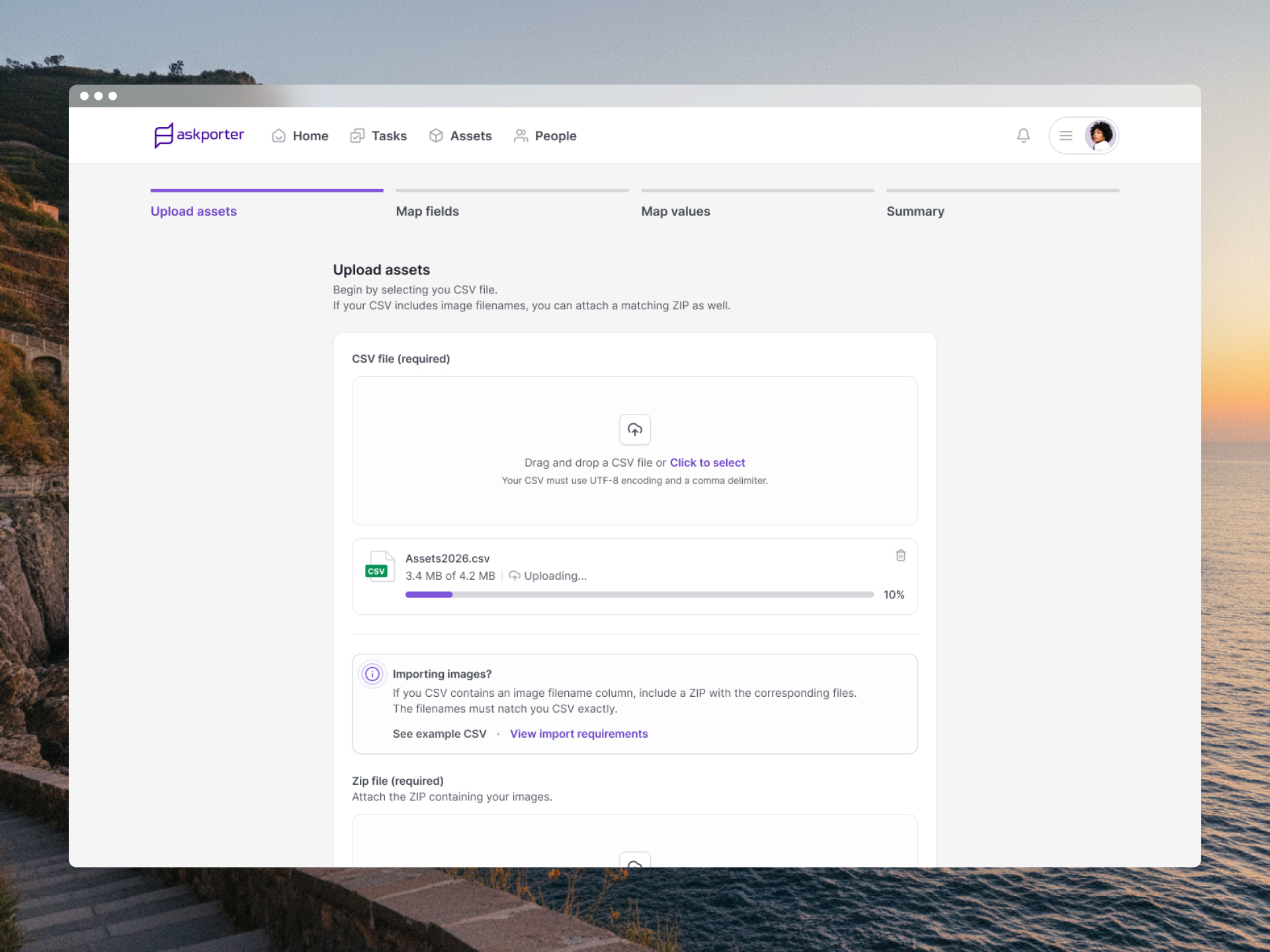
Rather than presenting users with a single technical form, I broke the experience into a guided workflow that progressively reduced uncertainty.
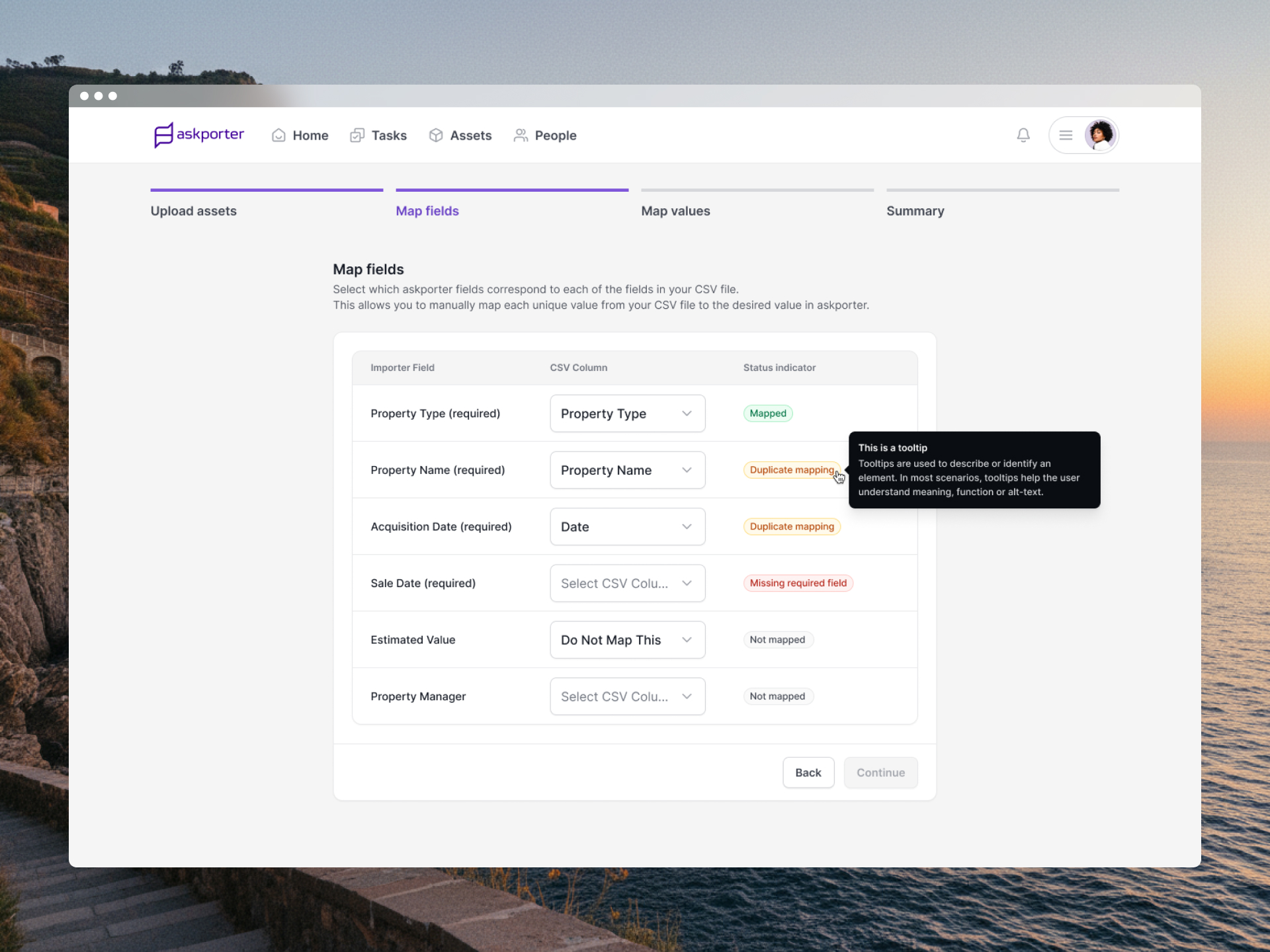
Supporting flexible field mapping
I deliberately avoided forcing customers into a predefined spreadsheet structure.
In my experience, operational teams rarely have the time or resources to rebuild existing datasets simply to satisfy software requirements.
Allowing flexible field mapping reduced onboarding friction while still maintaining platform standards.
Translating values between systems
Source data rarely matched platform standards exactly.
Instead of expecting users to manually reformat everything beforehand, the experience allowed them to translate external values into approved platform values during the import process.
Preventing errors before processing
I wanted users to discover issues before processing began, not afterwards.
Validation highlighted duplicate mappings, missing required information, and unsupported values early, helping users fix problems while they still understood the context.
Providing transparency after import
Importing hundreds of records can feel like a black box.
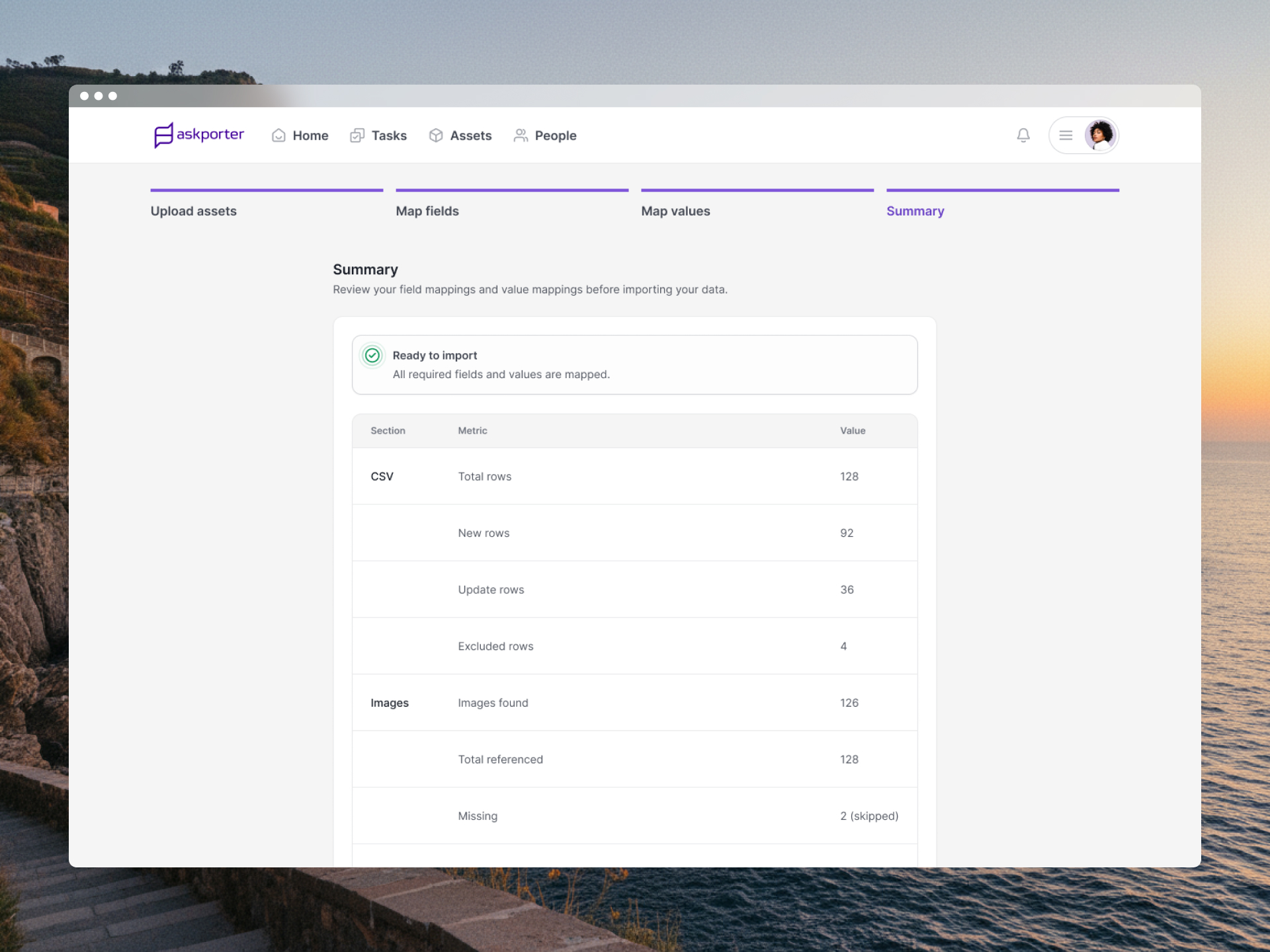
Detailed summaries and reporting helped users understand exactly what happened, which records succeeded, which failed, and what required further attention.
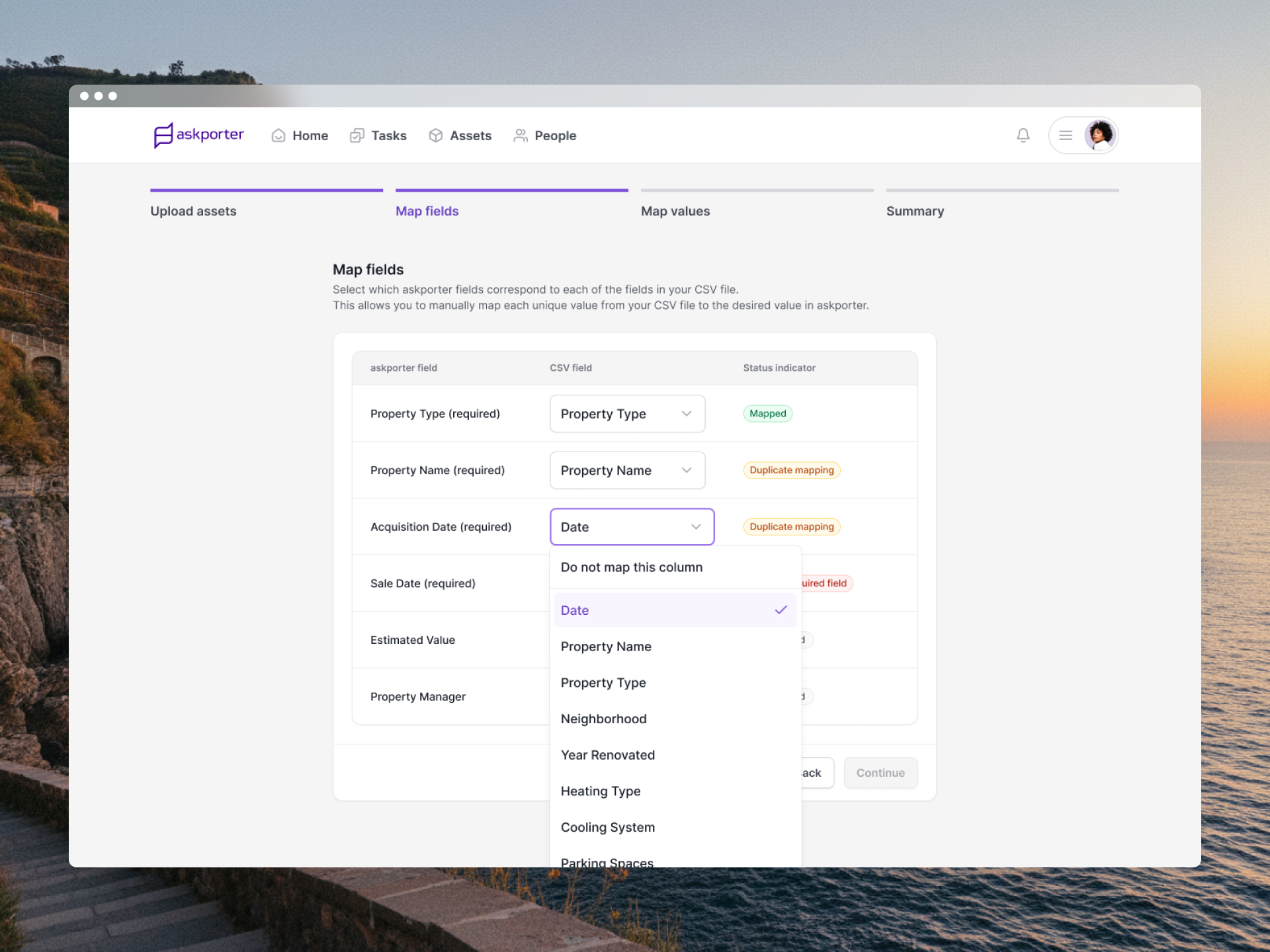
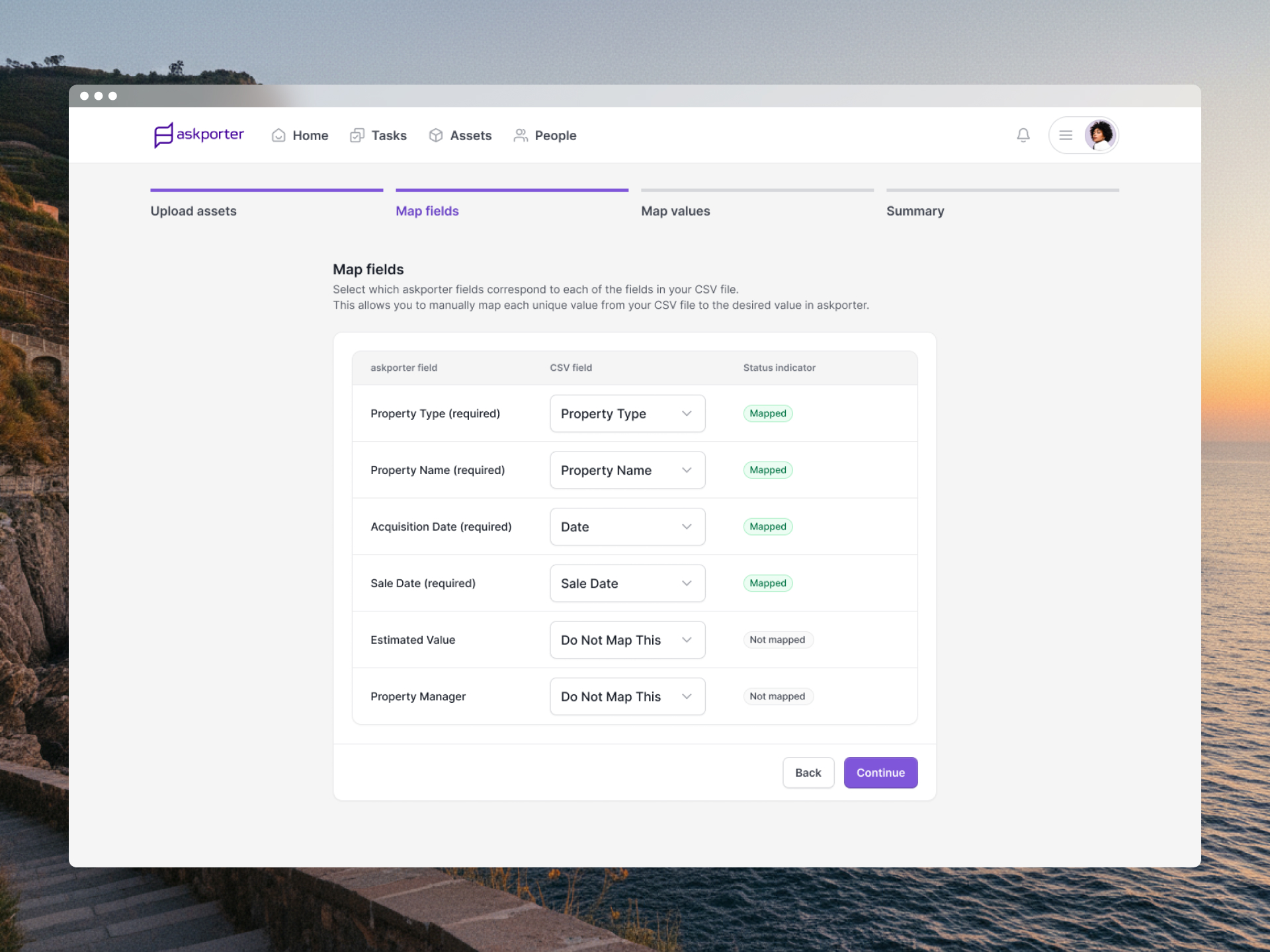
The final experience guided users from raw spreadsheet data to validated platform records through a series of focused steps.
Rather than presenting everything at once, the workflow progressively reduced uncertainty by helping users understand what needed attention, why it mattered, and how to resolve it.
Users could:
• Upload CSV files and supporting assets
• Map source fields to platform fields
• Translate imported values into platform values
• Review validation issues before processing
• Track import progress
• Review detailed import summaries
• Identify failed records and resolve issues quickly
My goal wasn’t to hide complexity.
It was to make complexity manageable.
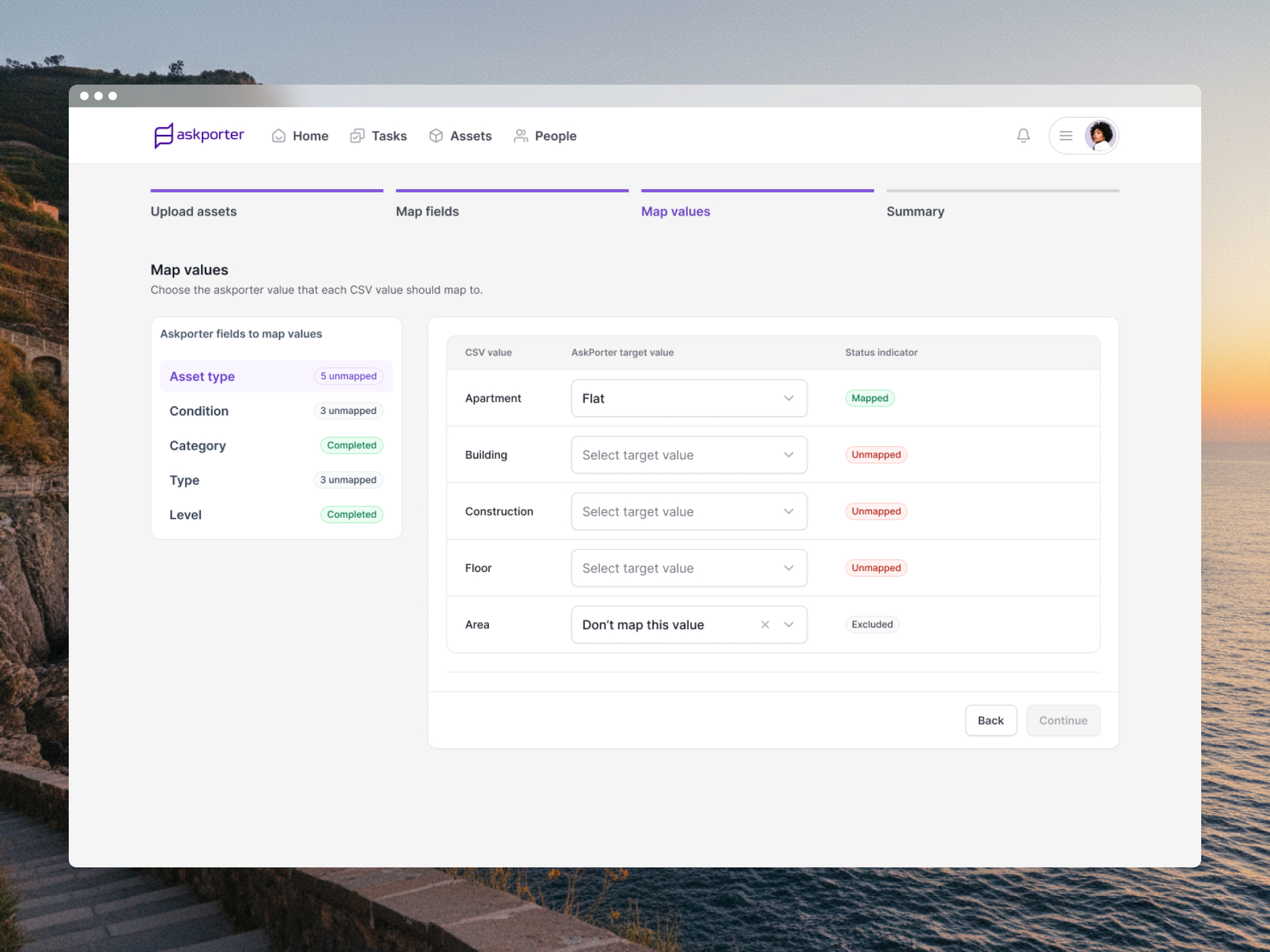
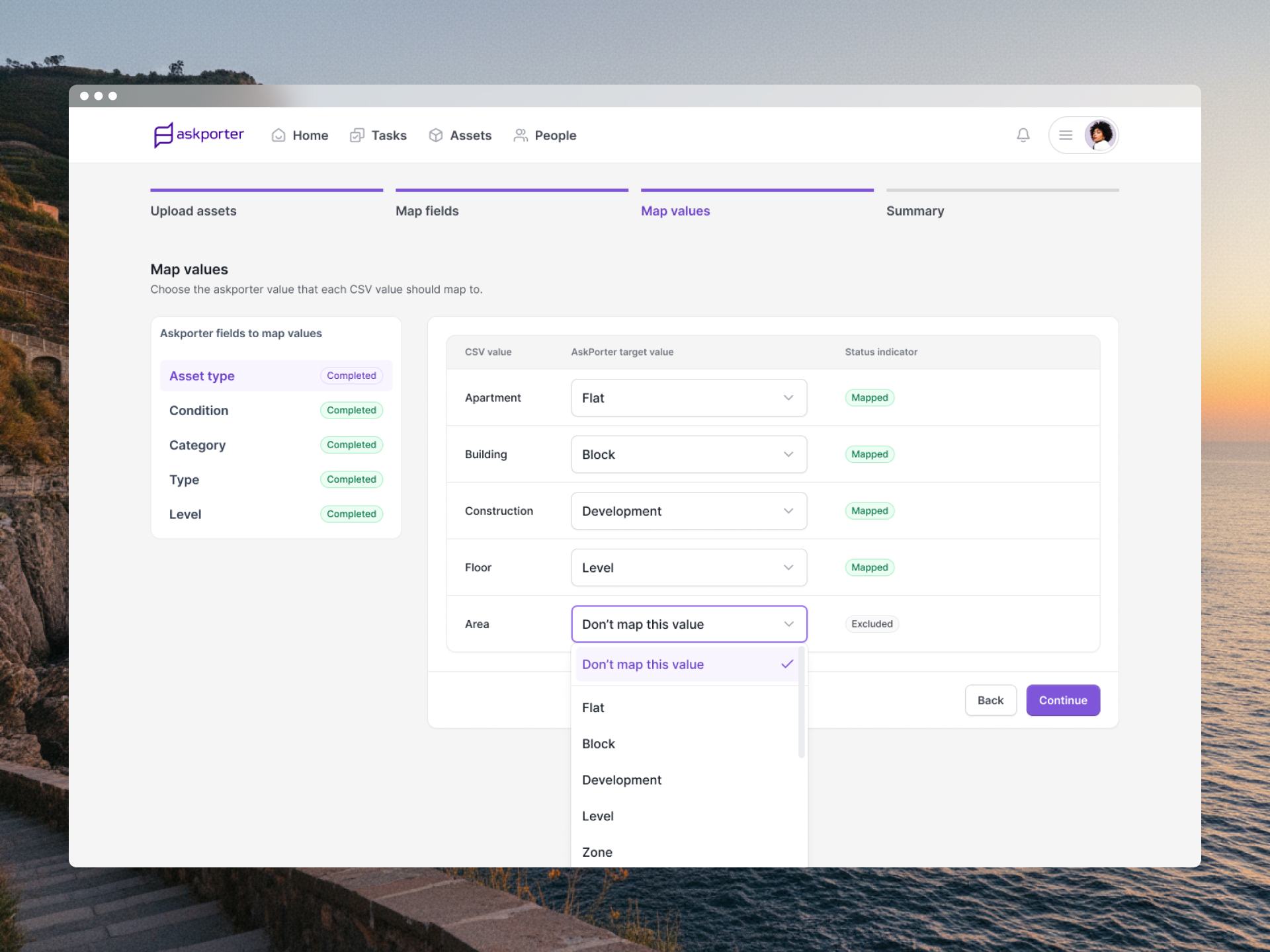
Looking back, the biggest success wasn’t the import itself.
It was the confidence users gained throughout the process.
What had previously been a high-risk operational task became something teams could complete with far less support and significantly fewer mistakes.
Benefits included:
• Faster operational onboarding
• Reduced manual administration
• Improved data consistency
• Better handling of import exceptions
• Greater visibility into processing outcomes
• Increased confidence when importing data at scale
The work reinforced something I’ve seen repeatedly throughout my career:
People don’t struggle with complexity nearly as much as they struggle with uncertainty.
LET’S MAKE CLARITY A HABIT.
Have a product, platform, or operational challenge in mind?
I help organisations simplify complexity, create scalable foundations, and build digital products that deliver lasting value.