.svg)
.svg)
AI Isn’t a Chatbot Problem
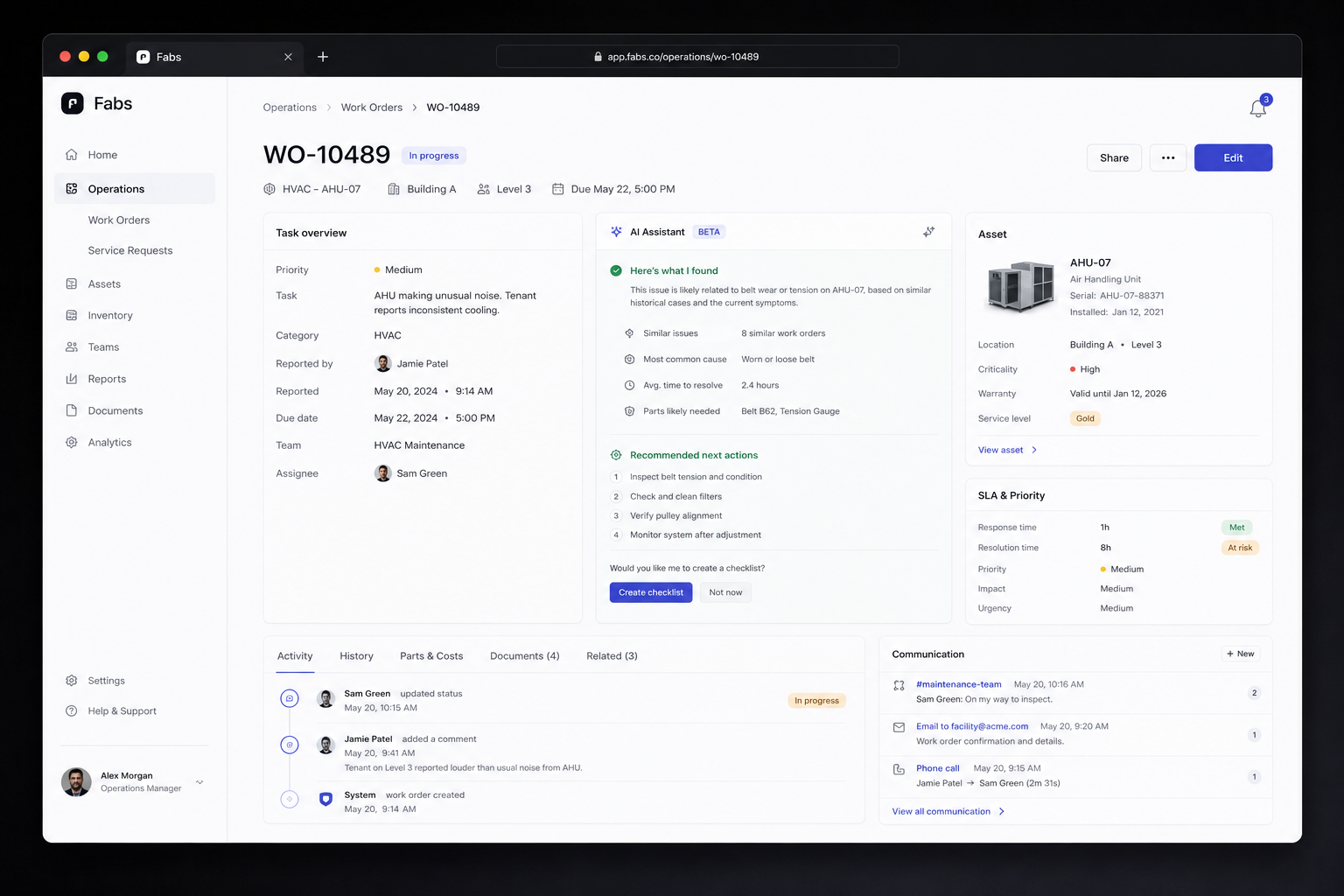
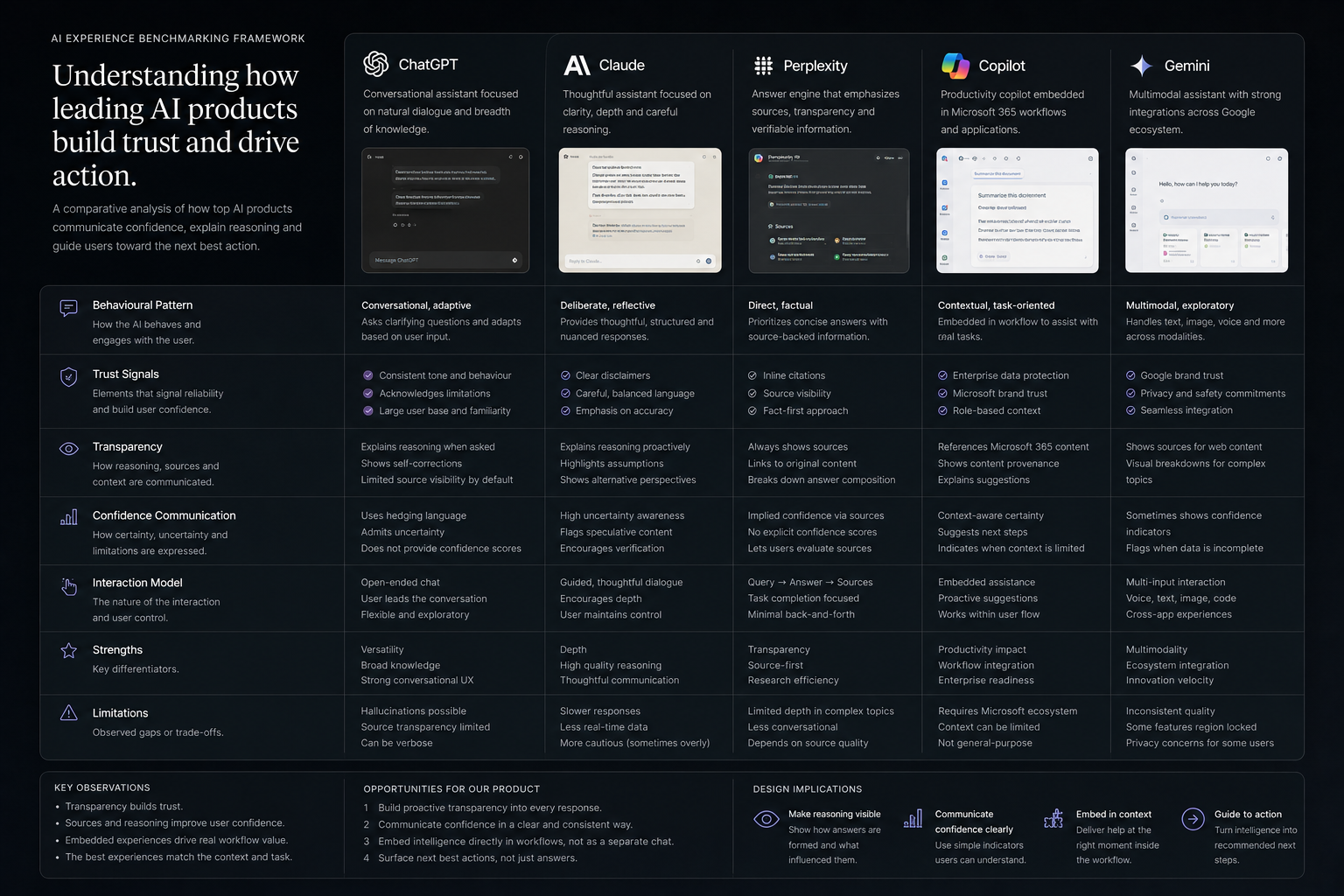
Most AI products start with a chatbot. In my experience, the real opportunity isn’t creating another conversation—it’s helping users complete tasks with less effort by embedding intelligence directly into existing workflows.
.svg)
.svg)
AI Isn’t a Chatbot Problem
Over the last couple of years I’ve reviewed dozens of AI products, attended countless demos, and worked on AI initiatives inside operational software.
One pattern keeps appearing.
Almost every team starts in the same place:
“Let’s add a chatbot.”
A chat window has become the default response to AI.
Need AI? Add a chatbot.
Need automation? Add a chatbot.
Need innovation? Add a chatbot.
But the more time I spend designing AI experiences, the more I believe we’re often solving the wrong problem.
Not because chat is bad.
Because most users aren’t trying to have conversations.
They’re trying to get work done.
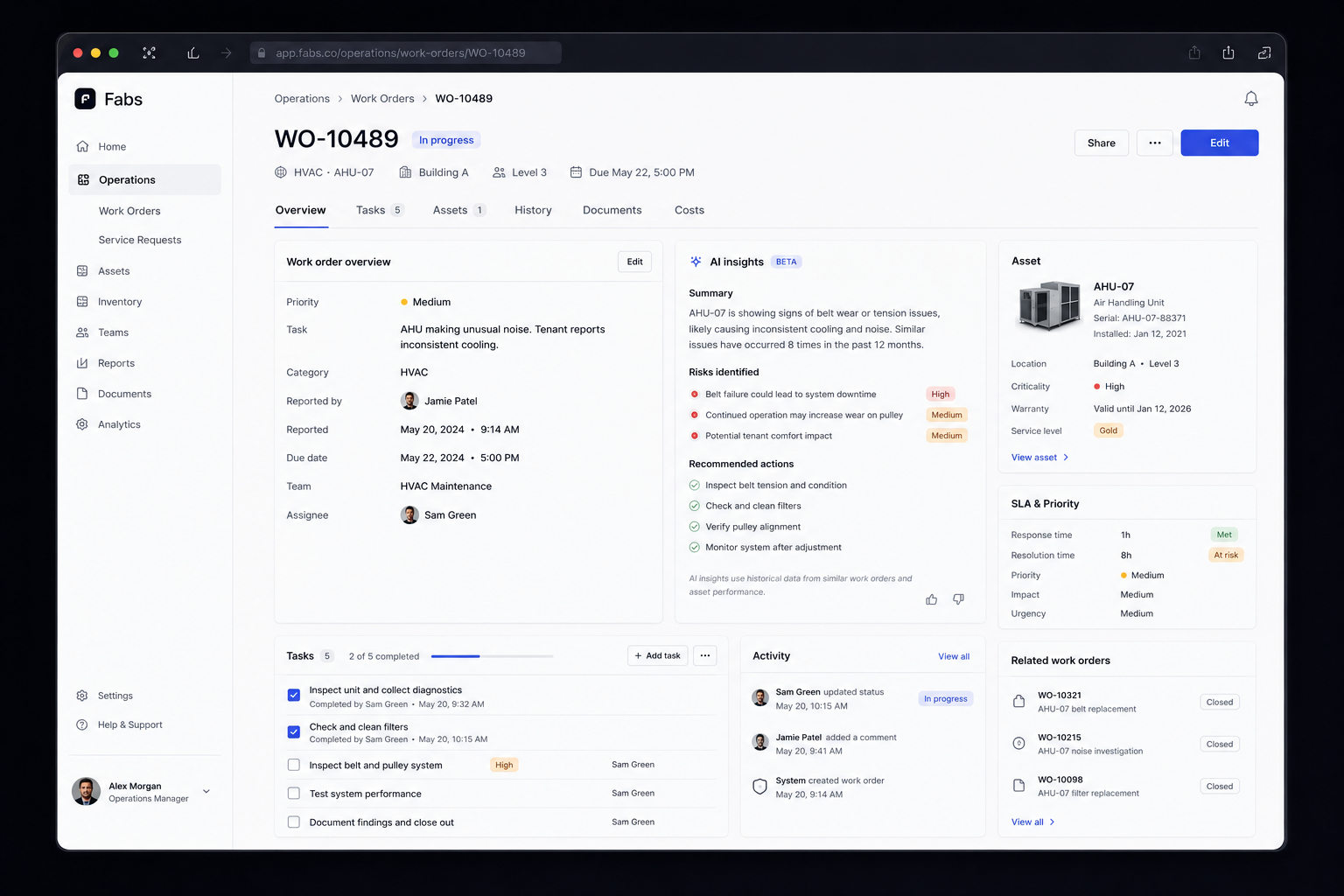
The most successful AI products won’t feel like separate tools. Users won’t think, “I’m using AI.” They’ll think, “That was easier than before.”
Why Chat Often Creates More Friction
When I think about the people I’ve designed products for over the years, facilities managers, customer service teams, housing operators, maintenance teams, their days are already fragmented.
They’re jumping between emails, systems, spreadsheets, phone calls, meetings and urgent tasks.
Adding another destination where they need to ask questions, explain context and interpret responses often creates more effort rather than less.
In many cases, the most valuable thing AI can do isn’t generate an answer.
It’s remove a step.
One of the questions I often ask during design reviews is:
“Why does the user need to tell the system something it already knows?”
If the platform already understands the task, the asset, the history, the people involved and the current status, why start with an empty chat box?
Why make the user explain everything again?
The more context the user needs to provide, the less intelligent the experience feels.
The best AI experiences I’ve worked on haven’t been the ones with the smartest conversations.
They’ve been the ones that quietly surface the right information at the right moment.
Design AI Around Outcomes
When designing AI features, I rarely start by asking:
“What can the model do?”
Instead, I ask:
“What decision is the user trying to make?”
That shift changes everything.
Sometimes the answer is a recommendation.
Sometimes it’s a risk warning.
Sometimes it’s a summary.
Sometimes it’s simply highlighting the next best action.
In many situations, the user doesn’t need a chatbot at all.
They need clarity.
My view is that the future of AI isn’t another panel sitting beside the product.
It’s intelligence woven directly into the workflow.
The most effective AI experiences I’ve worked on don’t feel like separate products. They feel like a natural extension of the workflow itself.
Users won’t think:
“I’m using AI.”
They’ll think:
“That was easier than before.”
And for me, that’s the real measure of success.
Not how many conversations happen.
But how much friction disappears.
Similar blogs
.svg)
.svg)
LET’S MAKE CLARITY A HABIT.
Have a product, platform, or operational challenge in mind?
I help organisations simplify complexity, create scalable foundations, and build digital products that deliver lasting value.