.svg)
.svg)
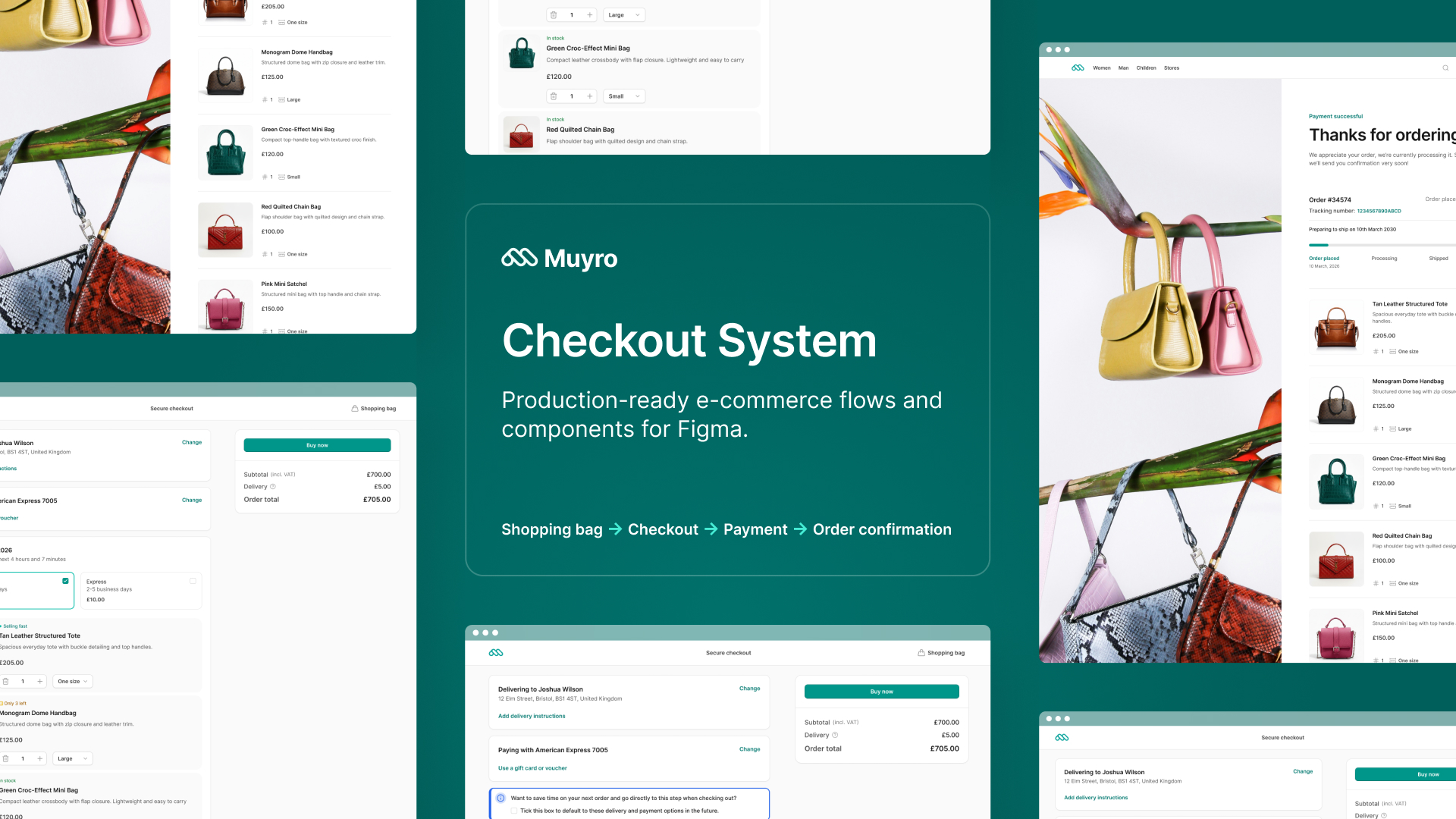
While SaaS products benefit from mature design systems and reusable frameworks, e-commerce teams often continue rebuilding the same shopping experiences from scratch.
Checkout journeys, payment flows, delivery selection, address management and order confirmation experiences frequently share common patterns, yet many organisations redesign and reimplement them repeatedly. This creates inconsistencies, increases design and engineering effort, and makes it harder to apply proven UX practices across products.
The opportunity was to create a specialised commerce framework that combines reusable components, established interaction patterns and complete customer journeys into a single system designed specifically for e-commerce teams.
Rather than starting with individual pages, I approached the project as a system.
The framework was structured across multiple layers:
• Foundations including colours, typography, icons and tokens
• Base components such as buttons, inputs, selects, badges and form controls
• Shared application patterns including modals, navigation, alerts and empty states
• Commerce-specific components for shopping bags, checkout flows and order confirmation experiences
• Complete desktop and mobile journeys supporting guest and returning customers
Each layer was designed to work together, allowing teams to assemble complete experiences from reusable building blocks rather than designing every screen independently.
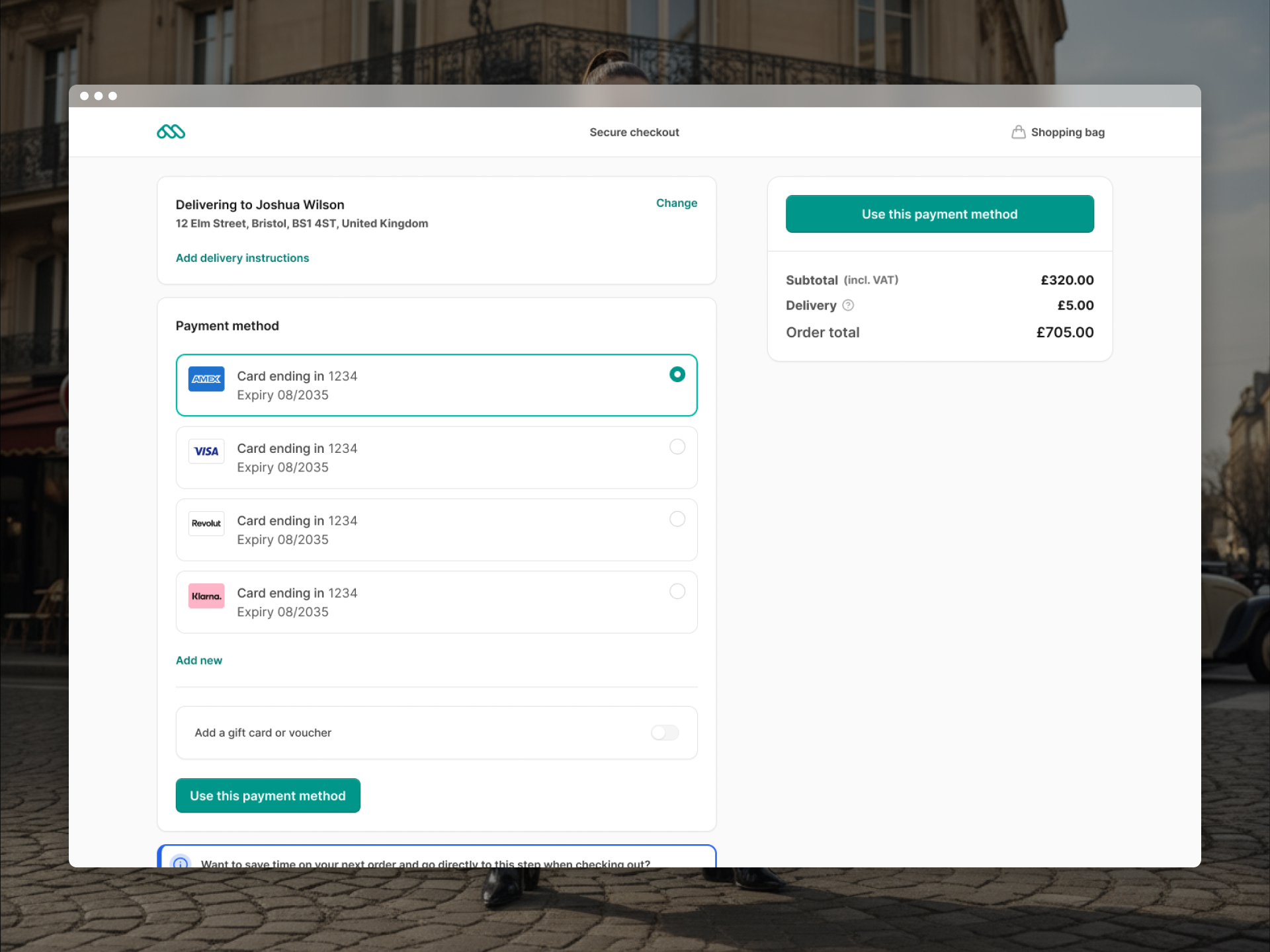
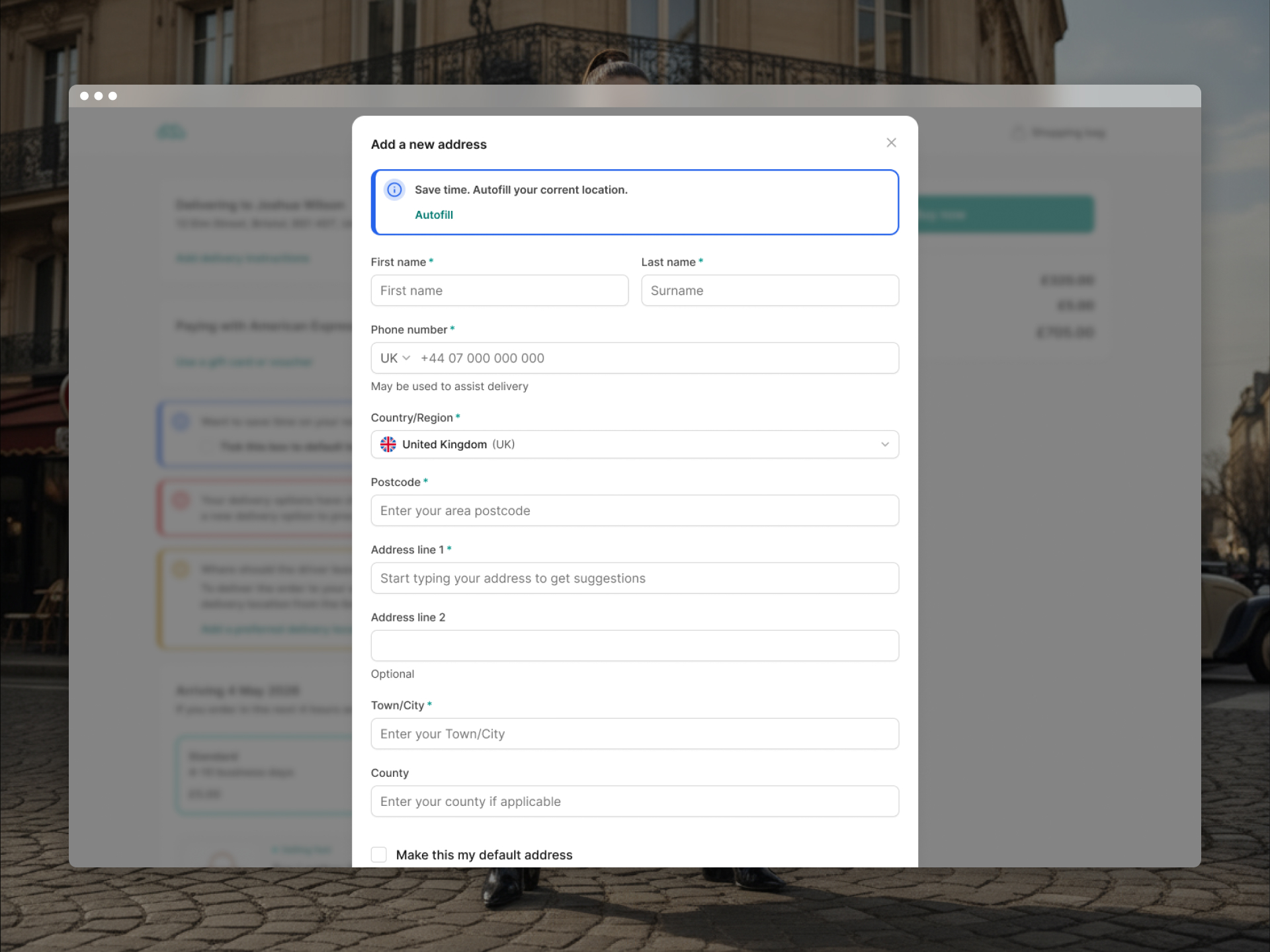
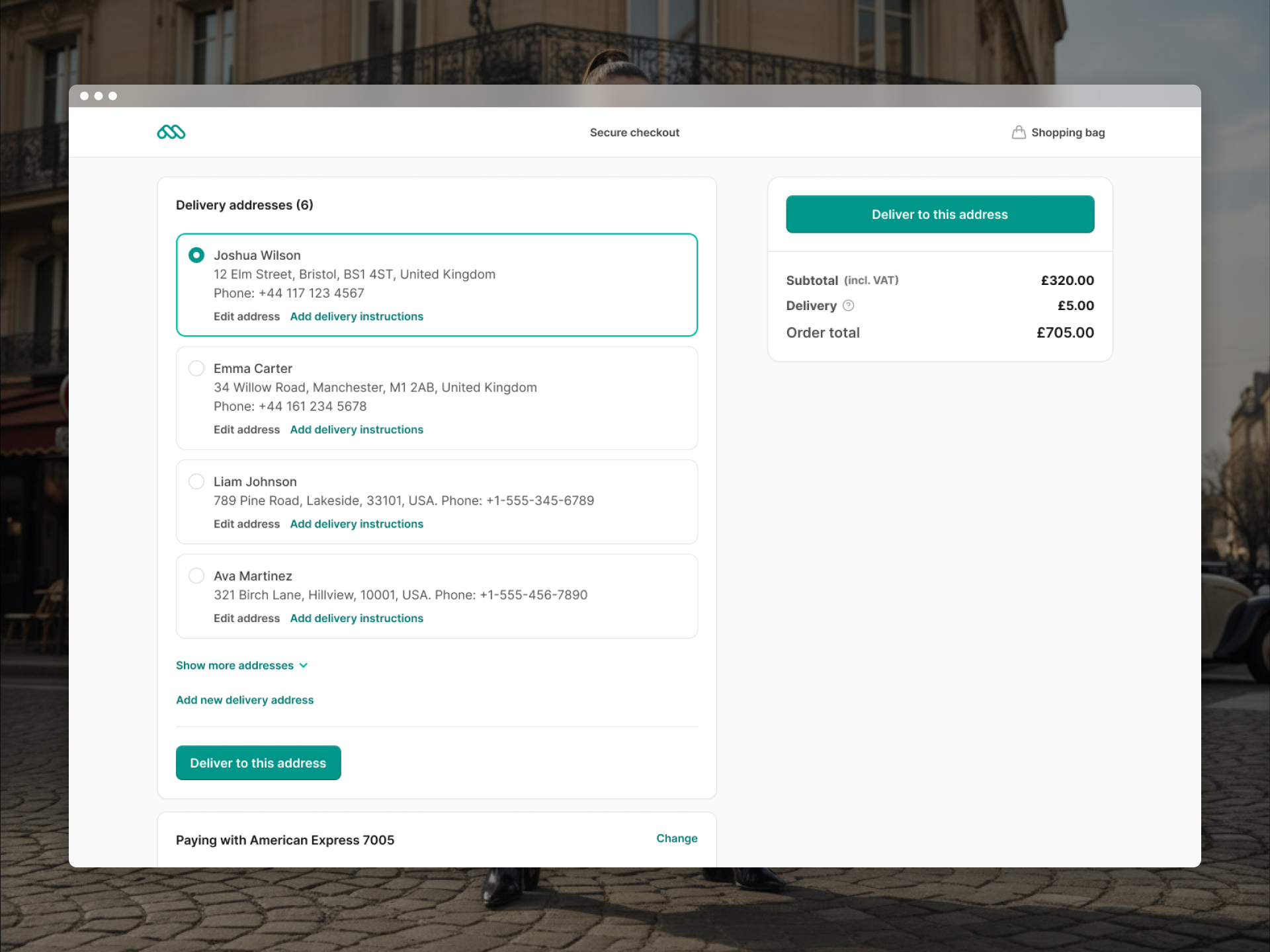
A major focus of the framework was identifying the highest-value commerce interactions and transforming them into reusable patterns.
Examples included:
• Saved address management
• Address creation and editing
• Delivery preferences
• Delivery method selection
• Saved payment methods
• Alternative payment providers
• Order review and confirmation
• Empty basket states
Each pattern was designed for both desktop and mobile experiences, ensuring consistency while reducing the effort required to create new journeys.
By treating these interactions as reusable assets rather than one-off screens, the framework becomes increasingly valuable as new commerce experiences are added.
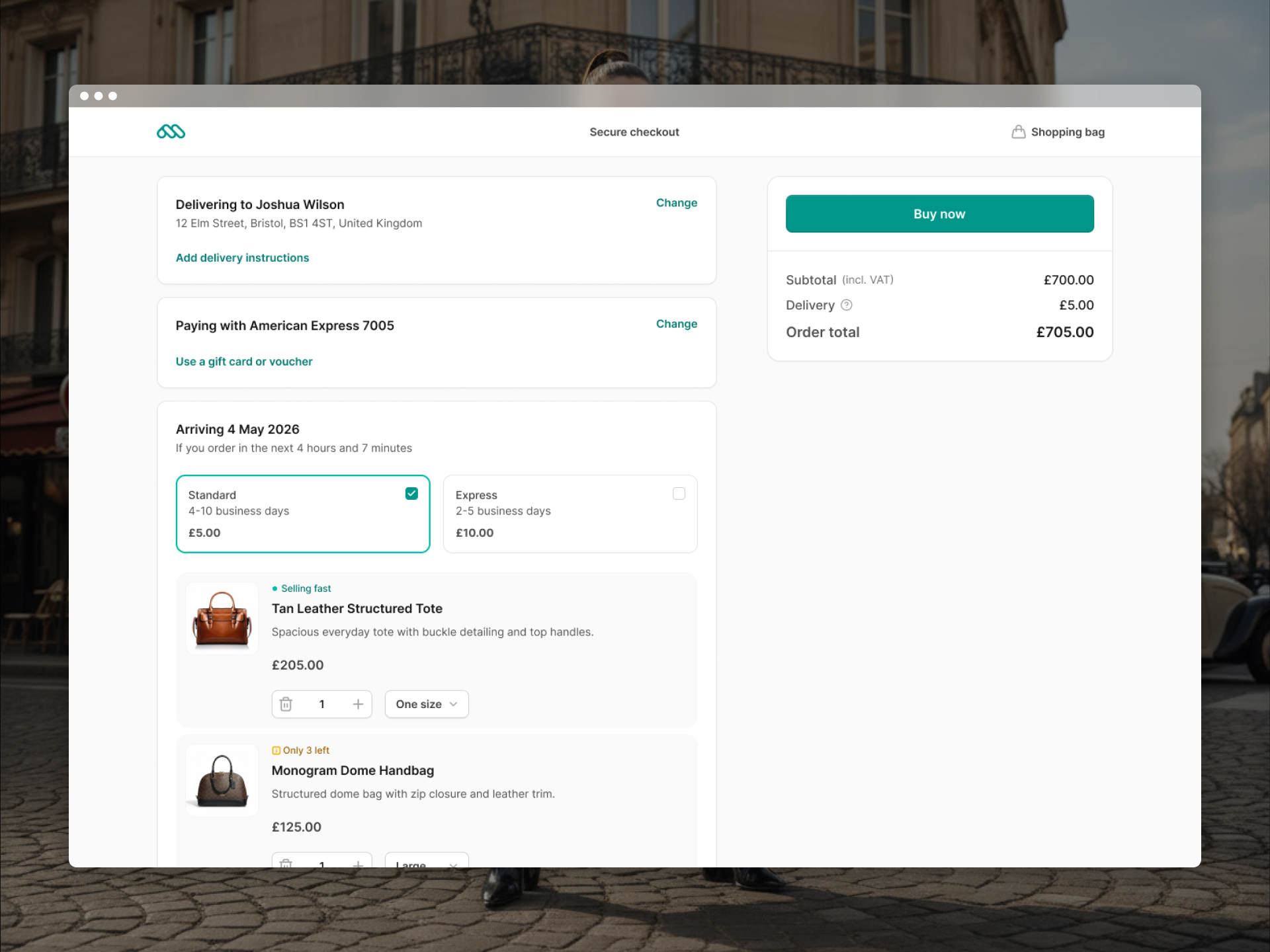
The first release includes a complete set of commerce foundations, reusable components and production-ready checkout journeys.
The framework currently provides:
• Commerce design foundations
• Reusable UI components
• Shopping bag experiences
• Checkout journeys
• Address management flows
• Payment management flows
• Delivery selection experiences
• Order confirmation experiences
• Mobile and desktop variants
• Guest and returning customer journeys
The structure was intentionally designed to expand beyond checkout and support future commerce domains including account management, orders, loyalty, subscriptions, returns and post-purchase experiences.
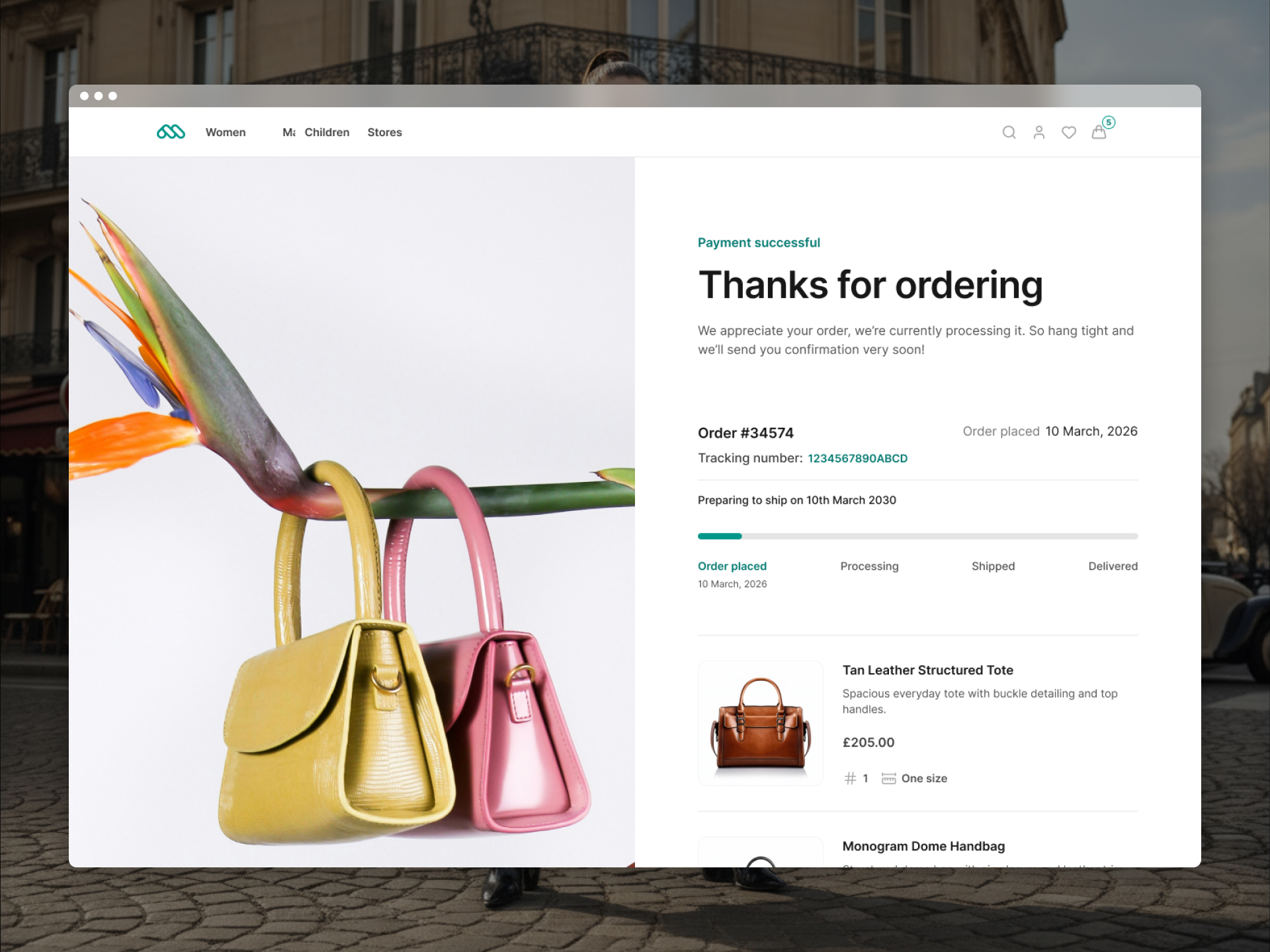
This project represents the first stage of a broader commerce design ecosystem being developed under the Muyro brand.
Rather than providing isolated UI components, the goal is to offer e-commerce teams a complete framework of foundations, components, patterns and validated customer journeys that accelerate product development while improving user experience consistency.
Future releases will continue expanding the framework with additional commerce modules, design resources and implementation-ready assets, creating a scalable platform that supports the entire customer lifecycle.
LET’S MAKE CLARITY A HABIT.
Have a product, platform, or operational challenge in mind?
I help organisations simplify complexity, create scalable foundations, and build digital products that deliver lasting value.